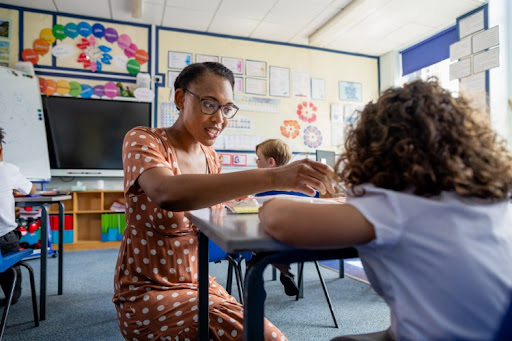
The Future of Personalization in Learning
Written by:
Wilson College
• Sep 10, 2026
The practice of adapting lessons to students’ interests and abilities dates back more than a century, to the origins of widely accessible formal education.
Today’s approach to personalization in learning allows for greater customization, giving individual students a say in what they learn and the pace at which they learn it. This personalization aims to meet the needs of 21st century classrooms and careers, which feature greater diversity and require new types of knowledge and skills.
Personalization in learning is becoming more prevalent in the classroom. A 2026 study in the journal Smart Learning Environments notes that, as digital technology continues to advance, the implementation of personalization in learning will continue to be on the rise.
The future of personalization in learning will likely continue to evolve, as more instructors recognize the benefits of personalized learning, work to address educational disparities, and incorporate technological advances. Academic offerings for educators, including a master’s degree focused on customized learning, are helping today’s teachers meet these ever-changing demands.
What Is Personalization in Learning?
Personalization in learning tailors instruction to each student’s unique needs and abilities. Instead of taking a standardized approach that dictates how, what, and when all students learn, personalization allows each student’s learning style and interests to guide instruction.
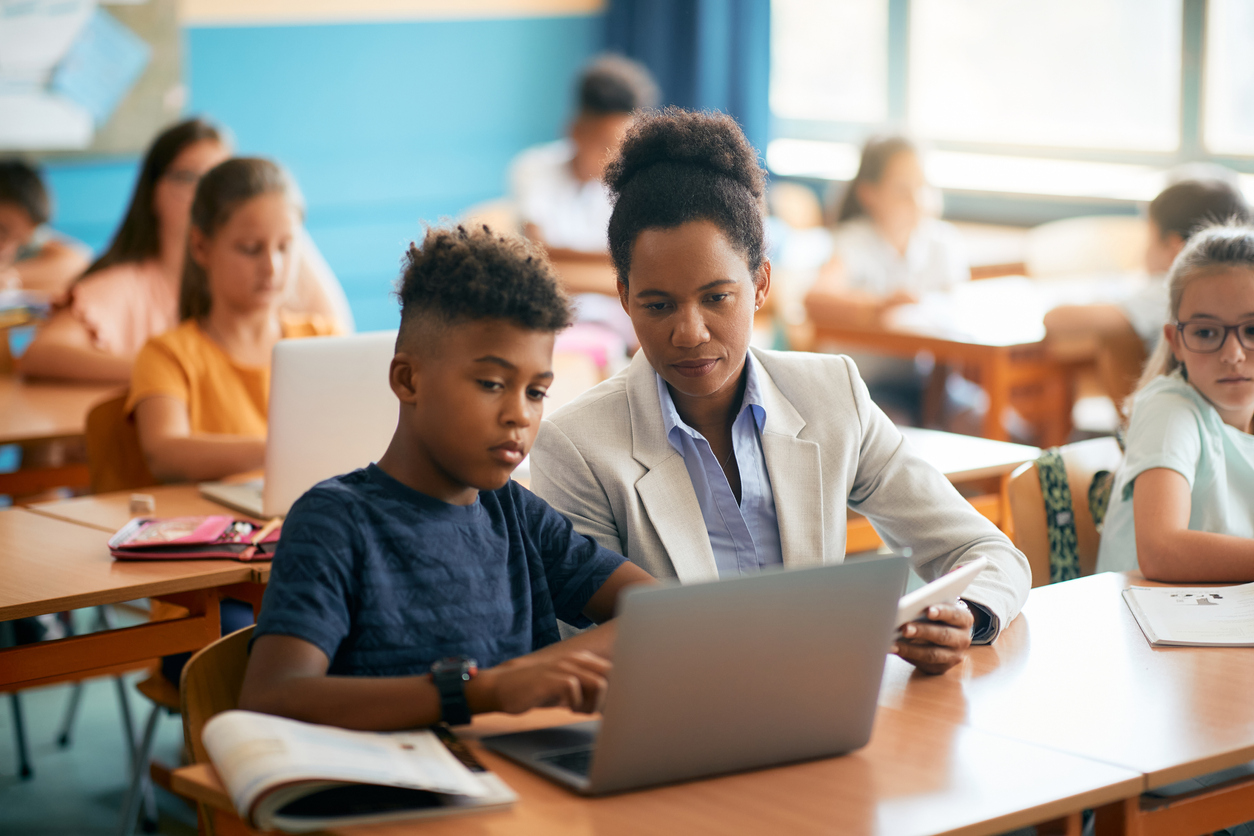
Students who are learning through personalized instruction may select the activities they want to do as part of an educational unit and determine the order in which they complete them. An educator may continually note students’ individual strengths, needs, and goals, using that information to track and evaluate their progress and promptly adjust customized instructional plans as needed.
Characteristics common in a personalized learning approach include:
-
Student collaboration: Groups and individual students share ideas, offer feedback, and solve problems.
-
Lesson flexibility: Students have the autonomy to select the type of lessons they want to focus on and determine how quickly they progress through them.
-
Small-group instruction: One-on-one or small-group classroom work, often called targeted instruction, allows for individualized assessments and customized approaches.
-
Student goal-setting: Students establish their own learning goals and select activities they believe are best suited for helping them achieve them.
-
Personalized feedback: Educators provide individualized feedback to students, noting their specific areas of strength and opportunities for growth.
Why Is Personalization in Learning Important?
Personalization in learning is important because it has the potential to address some of the most significant challenges in the field of education. When Gallup and the Opportunity Education Foundation surveyed students in fifth through 12th grades in 2025, for example, the results revealed that:
- Only 42% agreed or strongly agreed that they were able to learn at their own speed
- Only 47% agreed or strongly agreed that they enjoyed their classes
- Only 28% agreed or strongly agreed that they had the opportunity to make choices about what they learned
When educators incorporate personalization into learning, they have the opportunity to address those types of challenges. Personalization in learning is critical because it can keep students engaged in the learning process. It also has the potential to improve students’ trust in their learning environments and their teachers, motivating them to take risks they wouldn’t otherwise take.
Personalized learning environments can be vital in building students’ life skills. By becoming more invested in their education, students have the opportunity to develop a growth mindset, strengthen their problem-solving abilities, and become more responsible for their own education.
Educators also realize certain benefits from personalized learning. When incorporating personalization into learning, educators get the opportunity to use their expertise to tailor learning experiences and design those experiences in ways that better fit students’ needs. Rather than follow a regimented script, educators have the flexibility to adapt instruction, which can make them feel more empowered and elevate their enthusiasm about teaching.
5 Benefits of Learning Personalization
Personalization in learning offers various advantages, helping students successfully navigate their education and prepare for their future careers. Below are five benefits of personalization in learning.
1. Promotes Student Autonomy
Personalization allows students to adapt their learning to their own unique strengths, weaknesses, interests, and learning styles. This autonomy to choose the learning path that fits their skills and preferences makes education more meaningful to students. As a result, they’re more likely to be motivated to learn the material.
2. Encourages Collaborative Learning
While personalization accommodates the abilities and interests of each individual student, it also encourages collaboration. From working with others who are on similar learning paths to presenting knowledge to classmates, students typically have many opportunities to interact and learn from others.
3. Mitigates Testing Issues
Standardized tests can be problematic for students who are poor test takers and for educators who feel compelled to focus on material specific to those exams. With a personalized approach, students can often select the assessment method that suits them best—whether a test or a project. Teachers have the flexibility to adjust lessons according to their students’ needs.
4. Fosters Workplace Readiness
Just as the modern workplace increasingly celebrates individual differences, personalization in learning recognizes that each student brings their own background, interests, and abilities to the educational process.
Personalization can also allow students to use technology that accommodates individualized learning paths, such as software supporting remote communication and lesson customization. These tools support many of the careers of the 21st century.
5. Promotes Inclusion in the Classroom
When educators incorporate personalization into learning, this can promote inclusion in the classroom by strengthening each student’s sense of belonging. A personalized approach to education can celebrate the diversity in a classroom and cultivate an environment in which students of all abilities and backgrounds feel valued. Ultimately, this can improve students’ ability to learn from one another.
What Is the Future of Personalization?
As educators work to celebrate diversity, promote equity, and incorporate emerging technologies, various changes are in store for the future of personalization.
Remote Learning Opportunities
Offering students the opportunity to learn remotely provides the flexibility that is a cornerstone of personalized instruction. Online education is moving toward becoming an option not only for students who select it as their preferred method of learning but also for those who use remote technologies for home-based projects.
Flexible Learning Spaces
Classrooms and other areas where students learn are shifting to accommodate personalized instruction. Tomorrow’s learning spaces will feature more components, such as flexible furniture and mobile digital devices, that are easy to adjust according to students’ individual preferences.
Student-Equity Efforts
Schools are embracing personalization in learning to promote equitable outcomes for all students. One of the greatest advantages of personalization in learning is that it recognizes that students’ experiences and talents vary and helps level the playing field by allowing for various learning paths that accommodate students’ differences.
Technology-Enabled Activities
Technology is taking an increasingly prominent role in instruction, offering options for personalizing the learning experience. Software and websites can allow students to select and complete lessons at their own pace, modifying the lessons based on their performance.
Real-Time Teacher Feedback
Another feature of personalization’s future will be quicker feedback from educators. Many digital learning platforms are providing real-time reports on student assessments. Teachers can more closely track academic progress, adjust lesson plans, and share updates with students and their families.
A Growing Role for Artificial Intelligence
As artificial intelligence (AI) continues to advance, its ability to enhance personalization in learning will grow. For example, AI has the power to:
- Identify flexible learning opportunities that can meet students’ unique needs
- Pinpoint and analyze trends in how students are performing
- Generate learning content and materials that can engage students
- Predict student behavior and performance
All of these AI features will play an increasingly important role in improving personalization in learning and enhancing the benefits of personalized learning.
Be Part of the Future of Personalization in Learning
If you’re an educator who wants to strengthen your skills in personalized instruction, explore the Wilson College Online Master of Mass Customized Learning degree program. The only program of its kind in the United States, the Master of Mass Customized Learning can teach you about the tools and techniques that can help you and your students reap the benefits of individualized learning.
With strong faculty support, small class sizes, and flexible online coursework, the Master of Mass Customized Learning allows teachers to pursue a high-quality advanced education while they manage their work and personal commitments.
Whether you want to increase your earning potential or pursue administrative roles, discover how Wilson College Online can help you achieve your career goals.
Recommended Readings
Mass Customized Learning: All You Need to Know
Tips for Building an Engaging Special Education Classroom
Why Earn a Personalized Learning Degree?
Sources:
EdTechnica, “Personalized Learning”
eLearning Industry, “How Do Emerging Technologies Help Shape Personalized Learning Experiences?”
eSchool News, “5 of the Biggest Education Trends in 2023”
Gallup, “How Students Learn Today and Why It Matters”
GeeksforGeeks, “AI in Education: Personalized Learning”
KnowledgeWorks, “8 Reasons Teachers Are Embracing Personalized Learning”
MyEnglishPages.com, “Empowering Students: The Key to Personalized Learning”
Promethean, “The Future of Personalized Learning”